
Leigh Wood – English Professional Boxer
Speaker Profile LEIGH WOOD Resilience • Pressure • Reinvention World Champion Boxer & Corporate Inspirational


Data is useful — but it can’t feel. Immersion is how leaders reconnect with the real experience.

Data is safe. You can put data in a spreadsheet. You can average it out. You can turn it into a percentage that looks manageable in a monthly report.
But data doesn’t cry. Data doesn’t get frustrated. Data doesn’t tell you the human reason someone left.
Data doesn't tell you that the reason a customer left isn't price, but because nobody listened to them when their partner died.
In my work, I talk a lot about Immersion. It is not an "extra" service I offer; it is the foundation of everything I do.
Immersion isn't a focus group behind one-way glass. It isn’t a survey. Immersion means physically going to where the experience happens.
It means sitting next to the frontline colleague who takes the calls. It means riding in the van with the engineer. It means sitting in the living room of a vulnerable customer and listening—truly listening—to their story.
When senior leaders, regulators, and MPs leave the meeting room and step into real environments, the atmosphere changes.
Suddenly, "Average Handling Time" isn't just a metric to squeeze; it’s a barrier preventing a human being from helping another human being. Suddenly, a policy that looked sensible on paper is revealed to be cruel in practice.
I have seen entire corporate strategies shift in a single afternoon, just because a leader finally heard the truth of the experience rather than the summary of it.
We cannot fix what we do not feel. If you want to change your organization, stop looking at the dashboard for a moment. Go and sit with your people. The truth is usually waiting for you there.
Speaker Profile LEIGH WOOD Resilience • Pressure • Reinvention World Champion Boxer & Corporate Inspirational
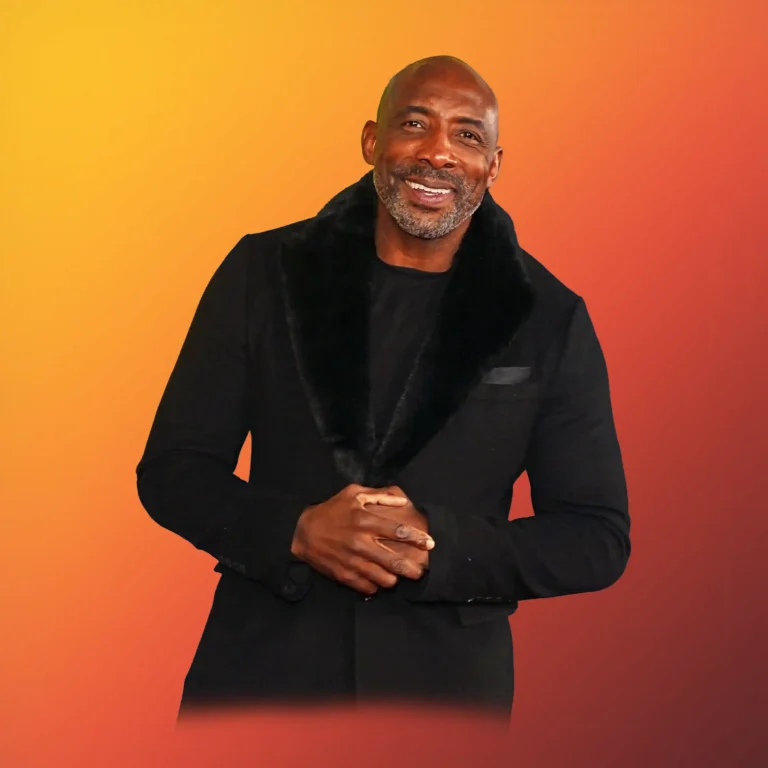
Speaker Profile JOHNNY NELSON MBE World Champion • Broadcaster • Motivational Speaker Former World Champion

Speaker Profile ADAM SMITH The Voice of Boxing • Cancer Survivor • Broadcaster Broadcaster, Strategist,

Speaker Profile NATASHA JONAS MBE Breaking Barriers • Authentic Leadership • Resilience Two-Weight World Champion

Speaker Profile STACEY COPELAND Equality • Adaptability • Breaking Bias • Pave The Way Commonwealth […]

Speaker Profile JAMES WELLS Elite Athlete • Cancer Survivor • High-Performance Elite Athlete | Cancer […]